
The Office Pantry Checklist for UAE Companies: What to Stock and How Much
The short answer
A UAE office pantry should be sized from four weeks of counted empties, not a generic list. Useful planning ranges per employee per week are 8 to 18 bottles of 500ml water, 20 to 35 grams of coffee beans, 3 to 8 tea bags and 12 to 25 paper cups. Water, coffee and cups peak from June to September; tea runs the other way.
Key takeaways
- A practical planning range for a UAE office is 8 to 12 bottles of 500ml water per employee per week from October to May, rising to 12 to 18 from June to September.
- A 12oz paper cup holds 50% more than an 8oz cup, so switching size while filling both to the brim moves about half again as much coffee, milk and water each day.
- MOHRE's midday break stops outdoor work in direct sun between 12:30 and 15:00 from 15 June to 15 September and requires employers to provide cool drinking water and shaded rest areas.
- MOHRE reduces private-sector working hours in the UAE by two hours a day during Ramadan, which cuts daytime coffee and cup use while raising water, dates and iftar disposables.
- A full 5-gallon (18.9 litre) water bottle weighs roughly 19 kg, which makes cooler changes a manual handling risk in offices without a trolley.
- Pouring a litre of water into pantry sinks and floor drains before a long Eid closure keeps the traps sealed and closes a common cockroach entry route in UAE buildings.
On this page
- Size the pantry per head, not per shelf
- Pick the water format before you pick the supplier
- Coffee, tea and the hospitality standard your guests expect
- Disposables or washables — decide who does the washing
- Storage, heat and pests: the constraints a fit-out ignores
- Ramadan, Eid and the exhibition weeks
- Run this checklist before the first order leaves
- Send your pantry list and we will price it
Most pantry overspend in a UAE office has nothing to do with brand choice. It comes from one guessed quantity, a store cupboard nobody measured and a summer nobody planned for. What follows sizes a pantry for a 30 to 150 person floor in Dubai, Sharjah or Abu Dhabi, per head and per week.
Size the pantry per head, not per shelf
Four lines carry most pantry spend in a UAE office: drinking water, coffee, tea and cups. The rest — stirrers, UHT milk, biscuits, sink consumables — is small enough to buy quarterly. Count empty cartons and shrinks for four weeks before setting any quantity; the gap between that count and your assumption is where the budget goes.
Planning ranges for an office where nothing is charged at point of use.
| Line | Per head/week, Oct–May | Per head/week, Jun–Sep | 60 staff, summer month |
|---|---|---|---|
| Bottled water, 500ml | 8–12 bottles | 12–18 bottles | 3,100–4,700 (130–195 shrinks) |
| Coffee, beans or ground | 20–30 g | 22–35 g | 6–9 kg |
| Tea bags | 4–8 bags | 3–6 bags | 780–1,560 bags |
| Paper cups, 8oz | 12–20 cups | 15–25 cups | 3,900–6,500 (4–7 cases) |
Two things move these numbers more than headcount. Free-vend coffee from a bean-to-cup machine pushes bean usage above a manual filter setup: people press the button while waiting for the lift, which is why coffee still climbs in summer while tea falls and tea drinkers move to cold water. Cup size does the rest: a 12oz cup holds 50% more than an 8oz, and both get filled to the brim. The food and pantry catalogue carries a tier break on each line, so a month's quantity can be priced before you commit.
Pick the water format before you pick the supplier
Water is the heaviest thing you buy, and its format decides how much floor you lose for a year.
| Format | Storage footprint | Handling reality | Best suited to |
|---|---|---|---|
| 500ml, shrink of 24 | High — over a pallet a month for 60 staff | One person carries a shrink | Meeting rooms, site visits, vehicles |
| 5-gallon (18.9L) cooler bottle | Low per litre, empties need space | Roughly 19 kg full — two-hand lift, injury risk | Fixed pantries, stable headcount |
| Plumbed filtered cooler | Almost none | Water point, drainage, landlord approval, filters | Long leases, larger floors |
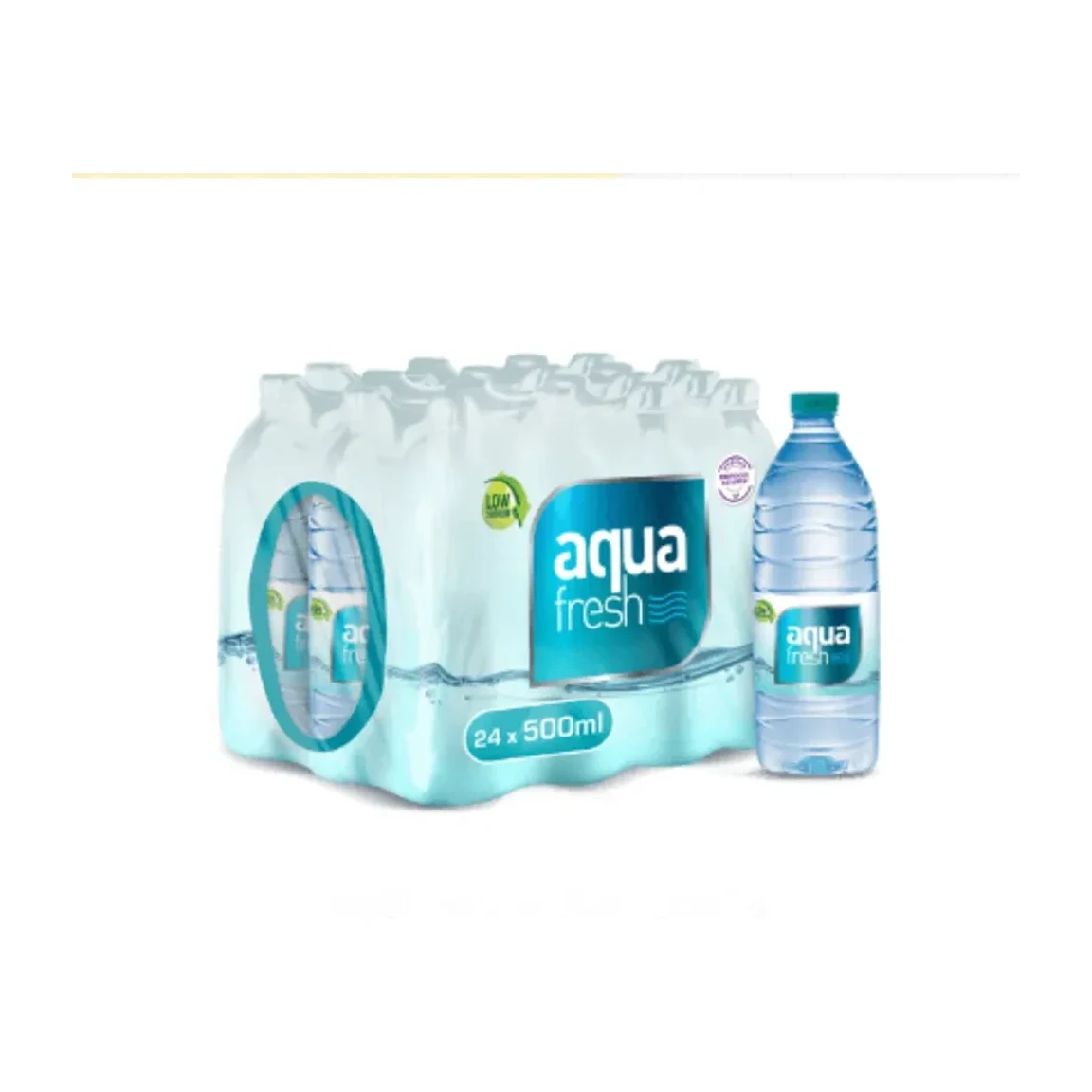
Most offices land on a mix: a cooler for daily drinking and 500ml bottles in shrinks of 24 for meeting rooms and site vehicles. The minimum there is 20 shrinks, or 480 bottles, then in steps of five — about a week for a 40-person office in August. Storage, not the minimum, is the binding constraint.
If any of your people work outdoors in summer, water becomes a compliance line. MOHRE's midday break stops work in direct sun between 12:30 and 15:00 from 15 June to 15 September, and employers must supply cool drinking water and shaded rest areas; MOHRE reconfirms the dates each year. That water belongs in the vehicle, cold, before the crew leaves at seven. Inside, the August complaint is never volume but chilling speed, and a second cooler settles more grievances than another pallet.
One rule gets broken every July: drinking water never belongs in an unconditioned car-park store. Keep it inside the cooled envelope, off the floor and away from cleaning chemicals — PET takes on solvent odour from whatever sits beside it. A plumbed cooler is fit-out work arranged through licensed providers and needs landlord sign-off. The rest of the water and beverages range — juice, laban, sparkling water — is small by value and the line guests notice.
Coffee, tea and the hospitality standard your guests expect
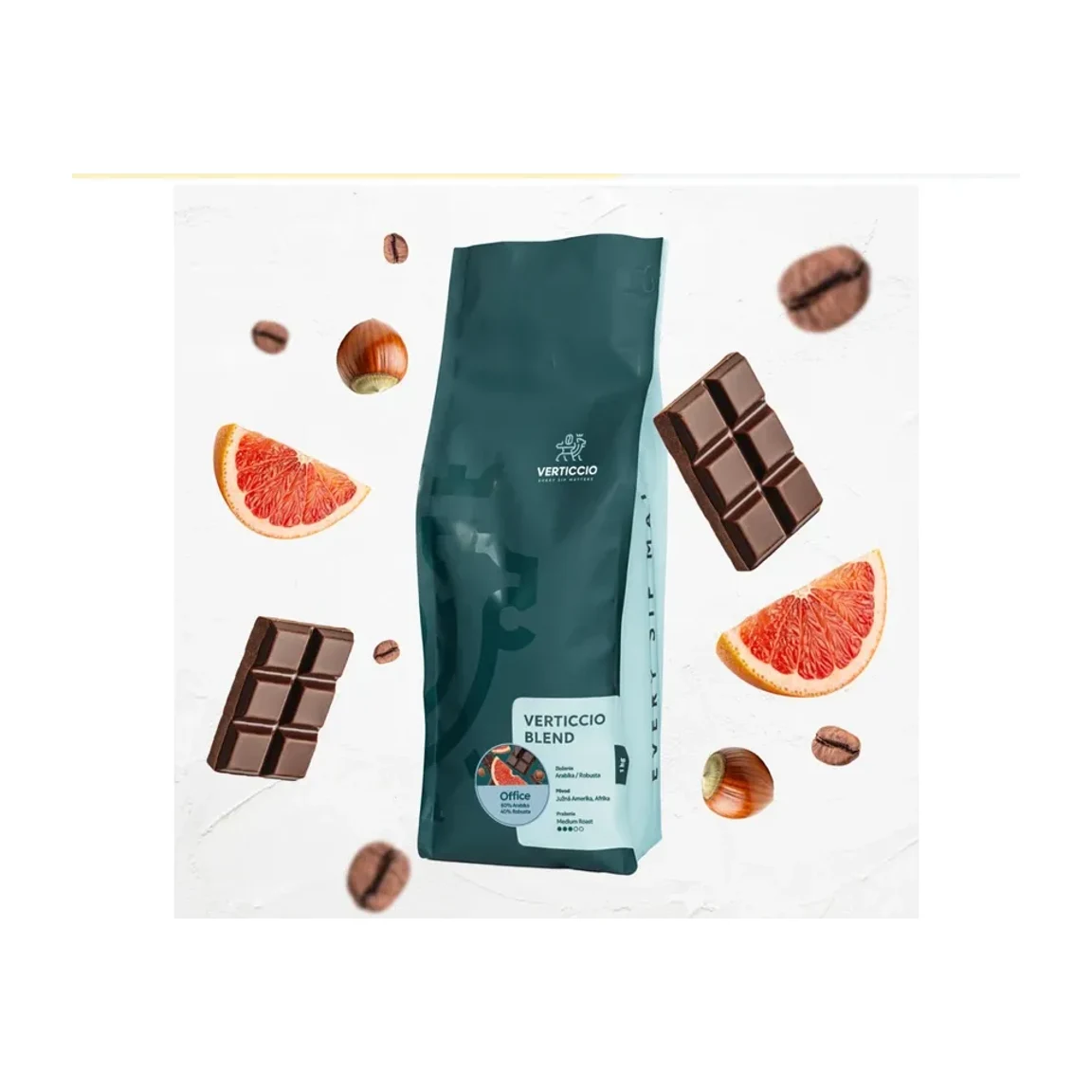
Buy beans monthly. Buy cups quarterly. Coffee peaks in the first weeks after roasting, so the one bulk discount worth refusing here is a three-month bean order: it saves on the invoice and loses it in the cup. Ask for the roast date, not the twelve-month expiry. The 1kg Arabica office blend has a 6 kg minimum, roughly a month for a 45-person floor running one bean-to-cup machine. Store it sealed and dark; the cupboard above the fridge and the shelf by a west-facing window are the worst spots in a Dubai fit-out.
Budget staff consumption and guest hospitality separately, or you run out of the wrong one. A UAE client meeting has a standard: water within a minute of the guest sitting down, Arabic coffee poured from a dallah into small finjan cups, dates alongside. Fill the finjan a third and keep refilling until the guest tilts it side to side, which is the signal to stop. Keep hospitality stock in a locked cupboard with a named owner, or it is gone by Wednesday. The office coffee and tea range covers both lines.
Disposables or washables — decide who does the washing
Most UAE fit-outs under 100 staff have a domestic dishwasher or none, and cleaning contracts rarely put 60 personal mugs in the scope of works. Where a pantry attendant is included, check whether the hours cover the 3pm peak. Settle that against your cleaning and janitorial stock plan before ordering 60 branded mugs.
A split works: named mugs at desks for the daily drinkers, and 8oz paper cups for guests and the afternoon rush. Single-wall 8oz cups are hot to hold, so people take two and the cup line quietly doubles; ripple-wall costs more per cup and less per drink.
Material choice now carries regulatory risk. Single-use plastic bags have been banned across the UAE since the start of 2024 under federal rules from the Ministry of Climate Change and Environment (MOCCAE), and the phase-out has since been extended to other single-use plastic items. As of 2026, paper cups, wooden stirrers and paper plates are the low-risk default; before ordering plastic cutlery by the case, confirm the current scope with MOCCAE or your emirate's municipality.
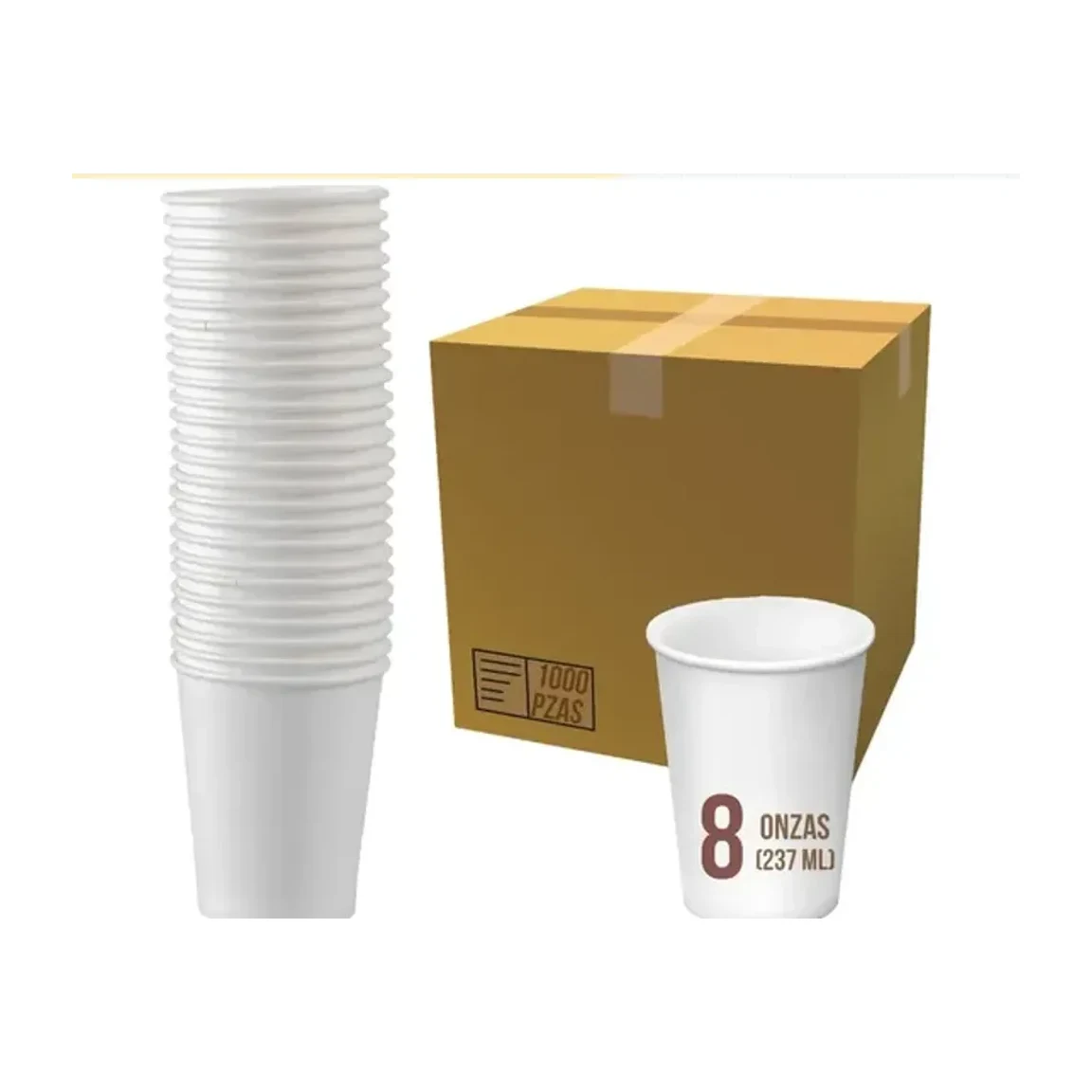
If you are unsure two cases of 1,000 cups — the minimum on that line — will clear your cupboard, send the line items with headcount and machine type while you browse the disposables and serveware range, and ask the sales desk to confirm every pack format before pricing.
Storage, heat and pests: the constraints a fit-out ignores
Storage is the real ceiling on order size, and building access is the second. A fitted office gives you a run of 600mm cabinets and one shared store; a pallet of 500ml water occupies roughly 1.2m by 1.0m and stacks past 1.5m. Towers in Business Bay, DIFC and Al Barsha want a service lift booking and a delivery window outside core hours; a pallet does not enter a passenger lift. Business parks in Al Quoz, DIP and Mussafah are easier. Where access is tight, ask for cartons instead of pallets — it costs handling time and prevents an aborted delivery.
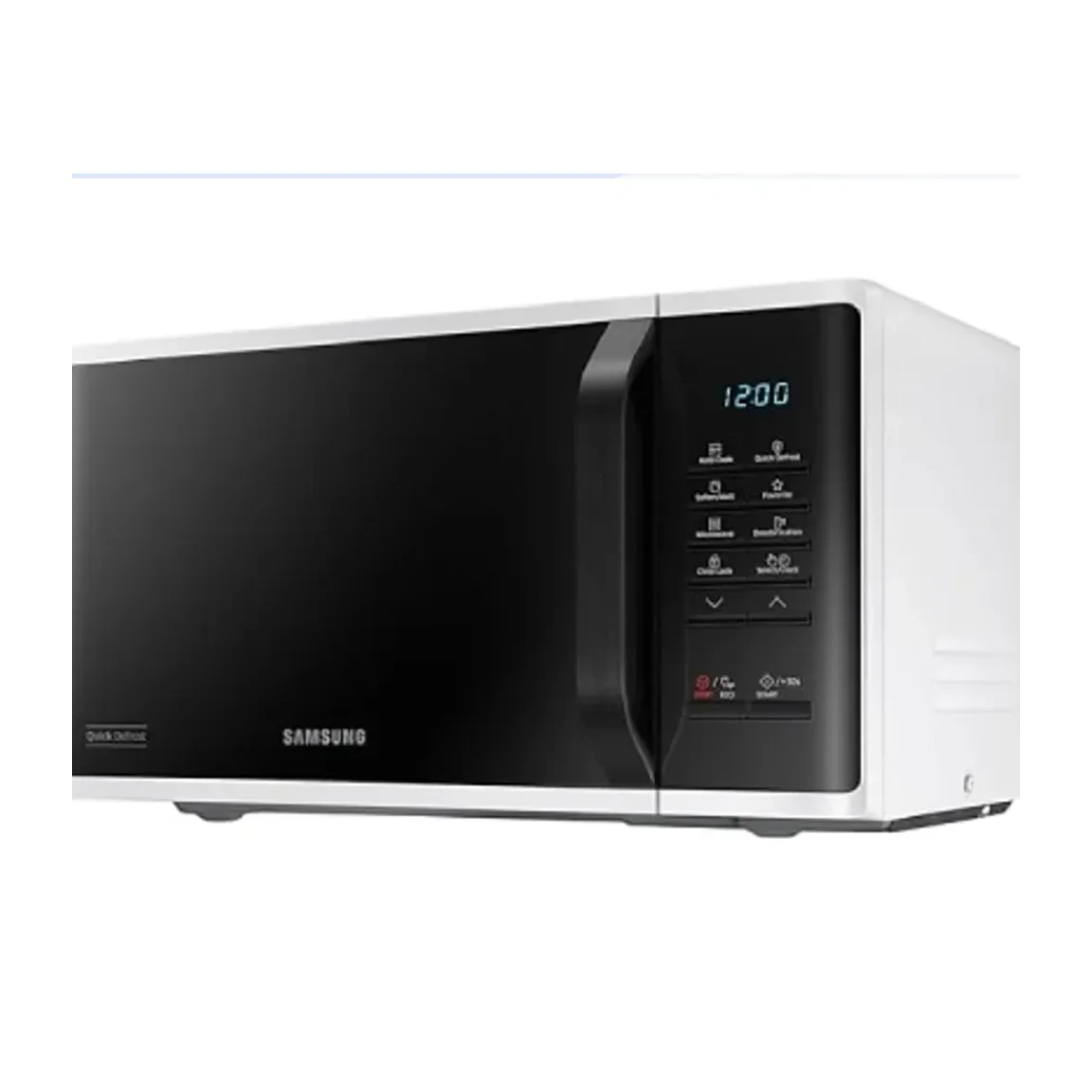
Plan one 25L solo microwave per 20 to 25 staff, or the 12:45 queue stretches past half an hour. Solo rather than grill: grills get used for fish and the whole floor finds out. Before adding a boiling-water tap or a second fridge from the breakroom appliances range, check the circuit — pantry spurs in older Dubai fit-outs were sized for a kettle and a microwave, and a 3kW tap trips the board at nine.
Heat and sugar bring pests. Anything sweet goes in a sealed container. Empty the pantry bin daily, not on the cleaner's rota. No chocolate in an uncooled store between June and September. One step almost nobody takes: pour a litre of water down the pantry sink and every floor drain before a long Eid closure. A dry trap is an open pipe, and that is how cockroaches reach a clean floor. Pest control is licensed work, so keep it with a licensed provider. If the pantry doubles as a breakout area, its seating belongs in your workplace furniture and ergonomics plan.
Ramadan, Eid and the exhibition weeks
Ramadan reshapes the pantry instead of shrinking it. MOHRE reduces private-sector working hours by two hours a day for the month, and with fasting staff the daytime coffee and cup lines fall sharply while water, dates, laban, juice and iftar disposables rise. Guest hospitality does not stop, so cut the coffee line rather than cancel it. MOHRE issues the reduction each year, so check the current circular.
Eid brings two closures that stop consumption dead and restart it with a surge, so order before the break: vendors and drivers are on leave too. Exhibition weeks such as GITEX and Gulfood invert the mix, with guest hospitality doubling while staff consumption falls. The biggest step in the pantry year is late August, when annual leave ends and the school term restarts in the same week. Rebaseline then, and before Ramadan.
Run this checklist before the first order leaves
- Count four weeks of empties and set every quantity from that.
- Measure storage in linear and cubic metres, then cap the drop size at what fits.
- Confirm access before quoting: lift booking, delivery window, loading bay, pallet or carton.
- Fix cup size and wall type first; that choice sets coffee, milk and cup spend together.
- Read the cleaning scope of works: is crockery washing included, or only assumed?
- Split by shelf life: beans and milk monthly, cups and plates quarterly at the better tier.
- Give guest hospitality its own cupboard, owner and reorder line.
- Price the list as one order, then model it annually against your office supply cost baseline.
Storefront prices exclude VAT, with 5% shown separately, so build the annual figure ex-VAT and add VAT once. CoHub buys from vetted vendors and resells under its own name, so a mixed pantry order is consolidated where stock allows and settles as one bilingual UAE tax invoice carrying the TRN — one document for your FTA records instead of five. Delivery covers all seven emirates, usually within the same week, with same-day options in Dubai on stocked lines, confirmed per order.
Send your pantry list and we will price it
Send the line items — headcount, machine type, cup size, pack formats and delivery address — through the request for quotation form, or photograph the storage cupboard and send it to the pantry desk on WhatsApp. A sales expert prices every order, applies the volume tier and any discount they can approve, then issues a proforma invoice, normally the same day. Payment is cash on delivery; the bilingual tax invoice follows once the order is paid and packed.
Categories covered in this guide
Live wholesale pricing, minimum order quantities and volume tiers for every line discussed above.
Products mentioned in this guide
Current AED prices excluding VAT, with bulk tiers shown on each product page.
Frequently asked questions
How much bottled water should a UAE office stock per employee?
Plan 8 to 12 bottles of 500ml water per employee per week from October to May, and 12 to 18 from June to September. For 60 staff that is roughly 3,100 to 4,700 bottles in a summer month, or 130 to 195 shrinks of 24. Offices running a cooler for daily drinking need fewer bottles and keep them for meeting rooms, vehicles and site visits.
How much coffee does a 60-person Dubai office use in a month?
Roughly 6 to 9 kg of beans, working from 22 to 35 grams per employee per week through the summer, with free-vend bean-to-cup machines sitting at the top of that range. Buy monthly rather than quarterly. Coffee peaks in the first weeks after roasting, so a three-month order bought to reach a lower tier loses in the cup what it saved on the invoice. Ask for the roast date.
Are paper cups cheaper than washable mugs in a UAE office?
Per drink, mugs are cheaper, but the cost sits in labour rather than purchase. Most UAE fit-outs under 100 staff have a domestic dishwasher or none, and cleaning contracts rarely put crockery in the scope of works. Read the scope of works first. A workable split is named mugs at desks and 8oz paper cups for guests and the afternoon peak.
How should an office pantry order change during Ramadan?
Reshape it rather than cancel it. MOHRE reduces private-sector working hours by two hours a day during Ramadan, and daytime coffee and cup use falls sharply with fasting staff, while water, dates, laban, juice and disposable plates for iftar rise. Guest hospitality is unchanged because client meetings continue. Cut the coffee line and add the iftar lines four to six weeks ahead.
What should a UAE office keep for client hospitality?
Water offered within a minute of the guest sitting down, Arabic coffee served from a dallah into small finjan cups, and dates alongside. Longer meetings mean karak, which puts evaporated milk and cardamom on the list. Keep this stock in a locked cupboard with a named owner and its own reorder line, separate from the staff pantry, or it disappears mid-week.
Can pantry supplies be delivered to an office tower in Business Bay?
Yes, with planning. Towers in Business Bay, DIFC and Al Barsha usually require a service lift booking and a delivery window outside core hours, and pallets do not fit passenger lifts. Ask for the order split into cartons where access is tight. Delivery covers all seven emirates, usually within the same week, with same-day options in Dubai on stocked lines.
CoHub Procurement Desk
CoHub is a Dubai-based B2B supplier operating under a UAE General Trading licence. Our sourcing and sales specialists price and dispatch business supply orders across all seven emirates, and they write these guides from what they see in real orders — not from a keyword list.
More about CoHub