
MOQ, Pack Size and Tiered Pricing: How Bulk B2B Buying Works in the UAE
The short answer
MOQ (minimum order quantity) is the smallest amount a UAE B2B supplier will sell of one line, expressed in the selling unit — a carton, case or shrink — rather than single pieces. Tiered pricing then lowers the unit price at fixed quantity breaks. Bulk only saves money once storage, tied-up cash and shelf life are priced in.
Key takeaways
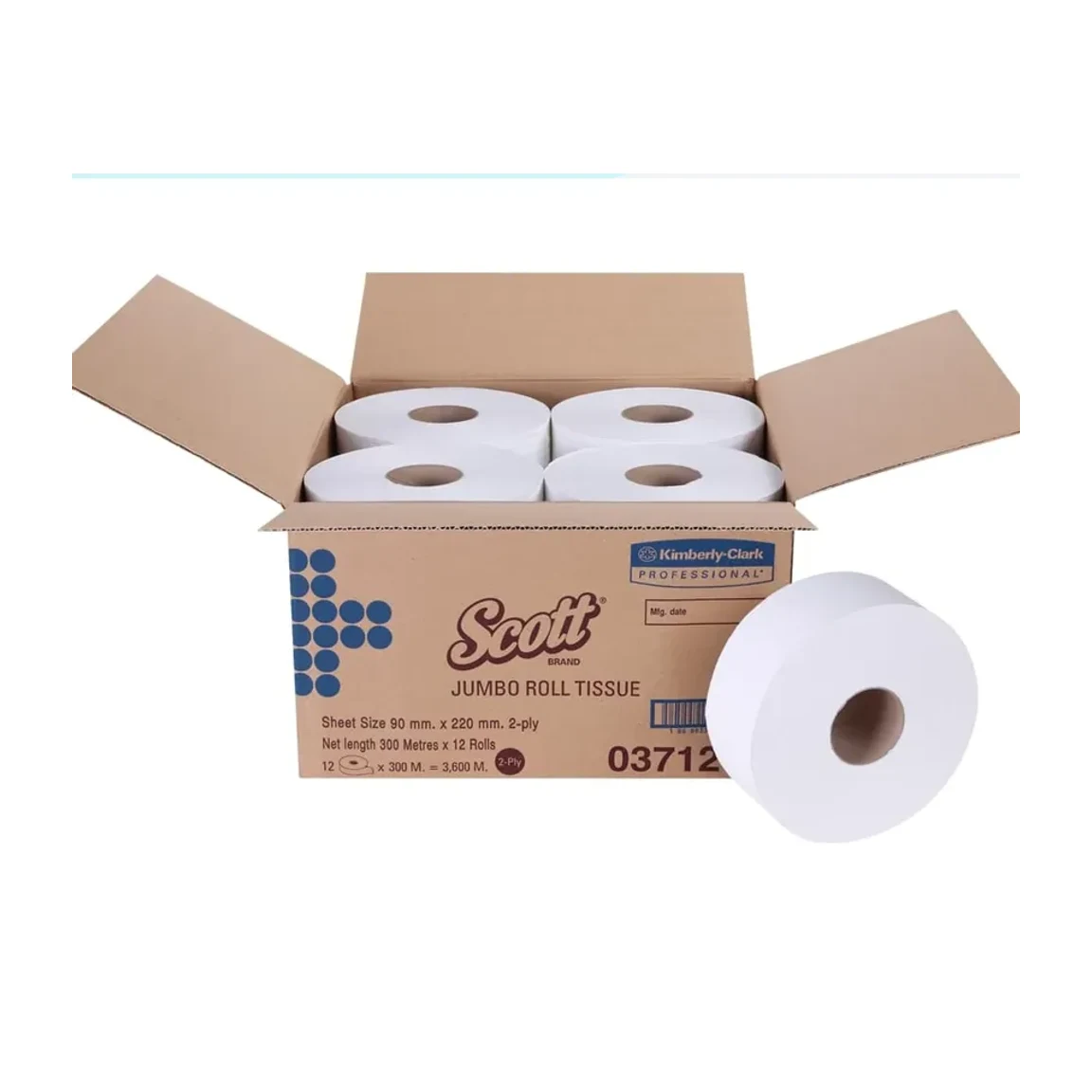
- Minimum order quantity in UAE B2B is expressed in the supplier's selling unit — a carton, case or shrink — so an MOQ of 5 on a carton of 12 jumbo tissue rolls means 60 rolls, not 5.
- Tiered pricing is a step function: the unit price falls only at named quantity breaks, and a retroactive tier reprices the whole line while a marginal tier discounts only the units above the break.
- UAE B2B storefront prices are quoted excluding VAT with 5% shown separately, so tier-to-tier comparisons should be made on the ex-VAT figure.
- Stock is carried for roughly half its cover period on average, so a 12-month buy carries about six months of holding cost rather than twelve.
- Supplier tier breaks usually sit on full-carton, pallet-layer or full-pallet boundaries because the discount reflects handling cost rather than product cost.
- CoHub is the merchant of record and payment is cash on delivery, so the full value of a bulk order leaves the business on delivery day with no credit period.
On this page
- MOQ, pack size and unit of measure are three different numbers
- Reading a tier table without overpaying
- What the stock costs you while it sits
- A break-even you can run in five minutes
- One well-loaded drop beats one deep tier
- Where a reviewed quote beats the published tier
- Seven questions before you accept a minimum order quantity
- Send us the list and we will price it
Most first B2B orders go wrong in the same place. The buyer reads a price, misreads the unit it applies to, and approves five times what the office needs. MOQ in UAE B2B means one narrow thing: the smallest quantity a supplier will release of a single line. Pack size and tiered pricing then set what you really pay per sheet, per roll and per bottle.
MOQ, pack size and unit of measure are three different numbers
Minimum order quantity is the floor for one line: the least a supplier will release without repacking. Pack size is how the goods are bundled — five reams to a box, twelve rolls to a carton. Unit of measure is what the price is quoted against, and it is the one that bites.
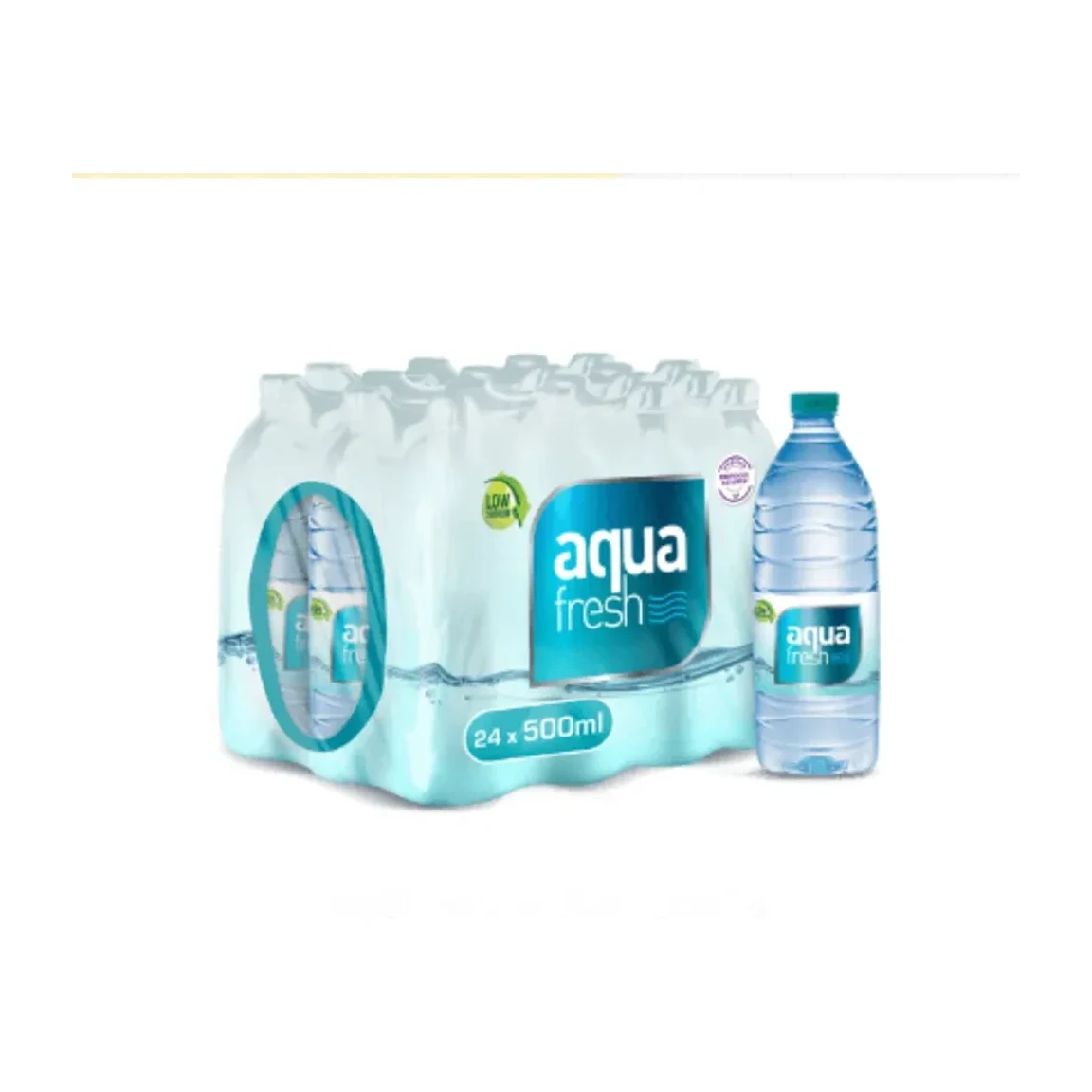
Two-ply jumbo roll tissue in cartons of twelve carries a minimum of five. Five cartons. Sixty rolls. Bottled water in shrinks of twenty-four has a minimum of twenty, or 480 bottles. Neither is unreasonable for forty people in Business Bay; both are a shock if you read five and twenty as pieces. Restate every order in pieces, then divide by weekly consumption: more than eight weeks of cover on a fast-moving consumable sends you back to the tier table.
Ask as well whether a separate minimum order value applies to the basket, or a minimum drop size to your emirate. The MOQ itself follows the vendor's master carton, the unit the goods were imported and palletised in, and splitting one costs more in opening, counting, re-taping and re-labelling than the split is worth.
The office supplies and stationery catalogue shows selling unit, minimum and live tier breaks on one screen. Ten minutes there before your first order list saves an argument.
Reading a tier table without overpaying
Tiered pricing is a step function, not a slope: unit price drops at named quantities and does nothing in between. Ordering eighteen cartons when the break sits at twenty is the most common self-inflicted overpayment in B2B buying, because buyers measure the distance to the next tier in percent rather than units.
Retroactive or marginal? A retroactive tier reprices the whole line once you cross the break. A marginal tier discounts only the units above it. The headline percentage reads the same. The money does not.
Per line or per basket? Published tiers are per SKU: three lines of AED 2,000 each do not combine into a break on any of them, and closing that gap is most of what a quote does.
Before or after VAT? UAE storefront prices are quoted excluding VAT with 5% shown separately, so compare tier to tier on the ex-VAT figure.
Where the breaks come from is the useful part: they track handling cost, not product cost. A vendor's cost steps down at full-carton, full-layer and full-pallet boundaries, and published breaks land there too. Ask how many cartons fill one pallet layer — regional stock moves mostly on 1200 x 1000 mm and 1200 x 800 mm pallets, and that quantity often sits just under the next published break on wholesale cleaning and janitorial supplies. Same discipline as the guide to office supply costs: price the unit you consume, not the unit you order.
What the stock costs you while it sits
A discount is money you keep. A store room is money you spend. Stock held in leased office space in Business Bay or Deira is stored at office rent: the store room square metre costs what the square metre under a desk costs. Move it to Al Quoz or Mussafah and the rate drops hard, but you add a van, a driver's hour and Salik each time you need one carton.
Then heat, which UAE buyers underprice. From May to September an uncooled store room runs far above ambient: hot-melt packing tape loses shear strength and rolls telescope until the edges bond, and PET bottled water stacked against a west-facing wall picks up taste well before its printed date. Aerosols and solvent-based cleaners belong in a cooled room — check what your premises are approved to store with Dubai Civil Defence or your emirate's equivalent.
Dates hide in lines that do not look dated. A bag of Arabica beans from the pantry range is dated by roast, not by printed expiry, so six months of cover decides how the coffee tastes in month five. Warranty on IT hardware runs from the invoice date, not deployment, so a year of spare laptops burns cover on a shelf.
Two lines I will not buy deep, whatever the tier says. Toner is the first: one fleet change and you own six sealed cartridges with no machine to put them in. Cleaning chemicals are the second: check the Arabic labelling and registration position for a disinfectant with Dubai Municipality before committing to a year of it, because an English-only label on four cases becomes your problem. Payment on CoHub is cash on delivery, so the money leaves on the day the goods arrive.
A break-even you can run in five minutes
Take one line you buy repeatedly and model three depths. The only number you supply is your carrying rate: the monthly cost of holding stock — storage, tied-up cash, and the share damaged or lost in an office move. The model below uses 2% a month; substitute your own.
Buyers get the holding period wrong too: you carry the average of an order, not its peak, so a twelve-month buy carries about six months of cost.
The example assumes ten cartons a month of one line. Figures are illustrative only and are not CoHub prices — check the live product page for current tiers.
| Option | Cartons per order | Unit price ex-VAT | Cash out on delivery | Months of cover | Holding and write-off per carton | True cost per carton |
|---|---|---|---|---|---|---|
| A, monthly | 10 | AED 100.00 | AED 1,000 | 1 | AED 1.00 | AED 101.00 |
| B, quarterly | 30 | AED 96.00 | AED 2,880 | 3 | AED 2.88 | AED 98.88 |
| C, annual | 120 | AED 94.00 | AED 11,280 | 12 | AED 14.10 | AED 108.10 |
Option C carries the deepest discount and still loses to Option B, by AED 9.22 a carton. It ties up nearly four times the cash, holds a store room for a year, and ends up dearer than buying monthly at full price. The 3% write-off is not pessimism: twelve months of tissue moved twice during a fit-out comes out crushed. Buy deep on dense, undated, price-stable goods; buy shallow on anything bulky per dirham, dated, or carrying a model number.
If filling in the columns is the slow part, send the line list through the RFQ form and the desk returns pack sizes in pieces with the real tier breaks.
One well-loaded drop beats one deep tier
Tiers reward volume on a single line; delivery economics reward volume in a single drop, and most buyers only pull the first lever. Set one order day a month: four ad hoc orders across four categories pay four times for the same trip. Set it early in the Monday-to-Friday week, so a short delivery can be chased and fixed before the weekend closes the warehouse.
Consolidate by density, not category. Tissue and flat-packed corrugated shipping boxes fill a truck by volume long before they reach the weight limit, while bottled water and copy paper hit the weight limit with the load bed half empty. A mixed drop uses the vehicle properly, and a well-loaded vehicle lets the supplier price the delivery better. Carton sizes that nest and stack save the same way, as the packaging supplies guide sets out alongside the rest of the packaging and shipping range.
Delivery reaches all seven emirates and is arranged through licensed logistics providers: same-week scheduling is the normal pattern, same-day is available in Dubai on stocked lines, and both are service options confirmed per order rather than guarantees. Ramadan, Eid and the late-August school restock are scheduling problems, not tier problems — pull the order day forward a fortnight instead of jumping two tiers.
Where a reviewed quote beats the published tier
A published tier is set without knowing your basket, your reorder cadence or your delivery pattern. A quote knows all three.
CoHub is the merchant of record: it buys from vetted vendors and resells under its own name, so there is one contract and one party to go back to when a pack size is wrong.
Four things a quote does that a tier table cannot: pool volume across lines that share a source; price a standing monthly order rather than one delivery; substitute a pack size that lands on a carton or pallet-layer boundary; drop a line you do not need for one with a better break. A sales expert reviews every order before pricing it and can discount to a protected floor — a quote is a review, not an auction.
I would not add SKUs from an untried vendor purely to reach a break. A tier won on paper and lost on a substitute that does not fit your dispensers is no saving, as the supplier selection guide argues at length.
The paperwork then runs in a fixed order: the order is reviewed and priced, a proforma invoice is issued, goods are delivered, cash is collected on delivery, and a bilingual UAE tax invoice showing 5% VAT and the TRN follows once the order is paid and packed. If a free-zone entity buys through a mainland sister company, fix which TRN goes on the invoice at proforma stage; changing it later means a credit note. The VAT and invoicing page sets out what the document carries; confirm current requirements with the Federal Tax Authority.
Seven questions before you accept a minimum order quantity
- What is the selling unit, and how many pieces are inside it?
- Is the MOQ set by the master carton or by supplier policy, and what does a split case cost?
- Is there a separate minimum order value or minimum drop size for your emirate?
- Are the tiers retroactive across the line, or marginal above the break?
- How far is the next break in units, not in percent?
- Where will the stock sit, and does anything on the line carry a date?
- If the order repeats monthly for six months, does the price change?
Send us the list and we will price it
Put your lines in a plain table — description, selling unit, quantity, and last quarter's actual usage — and send it over with a request for quotation. A sales expert prices every order by hand, checks pack sizes against your real consumption, and comes back with tier breaks and a proforma invoice, usually the same working day. If pasting the list into a chat is quicker, the sales desk on WhatsApp works the same way.
Categories covered in this guide
Live wholesale pricing, minimum order quantities and volume tiers for every line discussed above.
Products mentioned in this guide
Current AED prices excluding VAT, with bulk tiers shown on each product page.
Frequently asked questions
What does MOQ mean in B2B buying in the UAE?
MOQ, or minimum order quantity, is the smallest quantity a supplier will sell of one product line, stated in the selling unit shown on the product page — a carton, case, box or shrink, not a single piece. A carton of 12 jumbo tissue rolls with an MOQ of 5 means 60 rolls. Restate every order in pieces before you approve it, and check whether a separate minimum order value applies to the basket.
Why is buying in bulk not always cheaper?
Bulk is cheaper per unit and not always cheaper overall. The discount has to beat what the stock costs while it sits: rent on the square metres it occupies, cash tied up under cash-on-delivery terms, and the share that is damaged or goes out of date. Summer store-room temperatures add to that, softening packing tape and tainting PET bottled water. A 12-month buy often loses to a 3-month buy once those are counted.
Do tiered bulk discounts apply to my whole basket or to each product?
Published tiers apply per product line, not per basket. Three separate SKUs of AED 2,000 each do not combine into a break on any of them. A reviewed quote works differently: a sales expert can pool volume across lines that share a source, price a standing monthly order, and discount down to a protected floor. Send the full list rather than ordering line by line.
Can I order below the minimum order quantity?
Sometimes, but ask what it costs before you assume. Minimum order quantities usually follow the vendor's master carton — the unit the goods were imported and palletised in. Splitting that carton means opening, counting, re-taping and re-labelling a partial, and the labour often exceeds the saving. The better question is whether the same product exists in a smaller pack size as a separate SKU.
Are tiered prices shown with or without VAT in the UAE?
Tier prices on UAE B2B storefronts are shown excluding VAT, with 5% calculated separately at quote and invoice stage. Compare tiers on the ex-VAT figure. A VAT-registered business recovers input VAT through its own return, so the ex-VAT unit price is the number that belongs in your cost model. Confirm the current rate and record-keeping rules with the Federal Tax Authority.
When should I request a quote instead of ordering at the listed tier price?
Request a quote whenever the order runs to more than a few lines, repeats monthly, or sits just under a published break. A published tier is set without knowing your basket, cadence or delivery pattern. A sales expert reviewing the whole list can restructure pack sizes, pool volume from a shared source and consolidate the delivery, then issue a proforma invoice before anything ships. Payment is collected in cash on delivery.
CoHub Procurement Desk
CoHub is a Dubai-based B2B supplier operating under a UAE General Trading licence. Our sourcing and sales specialists price and dispatch business supply orders across all seven emirates, and they write these guides from what they see in real orders — not from a keyword list.
More about CoHub